Bocas del Toro Guide: Swap the Cubicle for a Caribbean Stilt House
Tired of the Bali-Lisbon circuit? Discover Bocas del Toro, a Panamenian archipelago of sloths, surf, and stilt-house offices. A raw Caribbean paradise with water taxi commutes, solid WiFi, and the Afro-Caribbean vibe.
Valentina Mazzone
13 min read
Bocas del Toro: Caribbean Paradise Meets Digital Nomad Reality
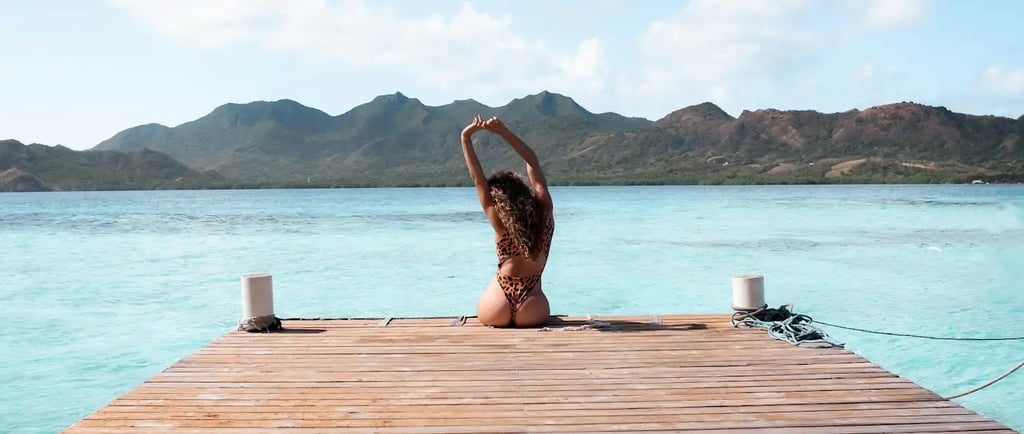
My routine? Finishing my morning standup call, closing my laptop, and walking thirty seconds to a dock where water taxis wait to whisk me to deserted beaches. By afternoon, I am snorkeling over coral reefs teeming with tropical fish. At sunset, I am back at your waterfront café, sipping a cold Balboa beer while watching Caribbean stilt houses glow in golden light. This isn't a carefully scheduled vacation day, this is just Thursday in Bocas del Toro.
Let me be honest upfront: Bocas isn't for everyone. If you need perfect, fiber-optic reliability and Starbucks on every corner, this isn't your spot. But if you're willing to embrace a bit of island unpredictability in exchange for genuine Caribbean beauty, surprisingly solid internet (better than its reputation suggests), and a cost of living that lets you actually save money while living on a tropical archipelago, then Bocas might become one of your favorite chapters.
This small Caribbean island chain off Panama's northwest coast has quietly developed a growing nomad scene that flies under the radar of the Bali-Lisbon-Mexico City circuit. The backpacker energy keeps it affordable and social, the natural beauty is genuinely breathtaking, and the laid-back Afro-Caribbean culture creates a pace that forces you to remember why you chose this lifestyle in the first place.
I am spending six weeks here this winter, initially skeptical that WiFi would be reliable enough for my work, and I've already extended my stay twice because Bocas worked far better than I expected. Let me show you how to make this Caribbean dream function as your remote work reality.
Understanding the Bocas Layout
Bocas del Toro is an archipelago, not a single city, which means "choosing your neighborhood" actually means choosing your island. This geography shapes everything about nomad life here.
Bocas Town on Isla Colón is where 90% of digital nomads base themselves, and for good reason. This is the main settlement, walkable, packed with restaurants, cafés, shops, and those crucial coworking spaces with reliable internet. Colorful wooden buildings on stilts line the waterfront, boat taxis buzz constantly between islands, and the energy is distinctly backpacker-meets-local Caribbean.
Within Bocas Town, you'll find different vibes depending on which street you choose. The main waterfront drag gets loud at night with backpacker bars and hostels, fun if you're social and 25, exhausting if you need sleep for early morning client calls. Stay one or two blocks back from the loudest strips and you'll get quieter nights while remaining a two-minute walk from everything.
The outskirts of Bocas Town and Bluff Road offer calmer alternatives while keeping you close enough to bike or taxi into town within minutes. Guesthouses and small apartment complexes here attract longer-term travelers and nomads who want that sweet spot between access and tranquility.
Isla Carenero sits literally 1-2 minutes by water taxi from Bocas Town, you can see it from the main waterfront. This smaller island feels much calmer while keeping you ridiculously close to amenities. Your "commute" becomes a $1 boat ride across turquoise water, which beats most subway systems by considerable margins. Carenero attracts nomads who want quieter evenings and don't mind the short boat hop to reach coworking spaces and cafés.
Isla Bastimentos (particularly Red Frog Beach and Old Bank areas) offers the most immersed-in-nature experience. You're choosing jungle and beach over convenience here, good for people working independently who don't need to be in town daily, but challenging if you have regular meetings requiring rock-solid internet.
The island geography means boat taxis become your transportation, they run constantly during daylight and cost $1-3 per trip. It's charming until you realize you're timing everything around boat schedules and weather. This is island life, which means accepting that sometimes storms delay your plans and flexibility matters more than rigid schedules.
Cafes to Work From: Where the Work Actually Happens
Let's address the elephant in the room: everyone warns that Bocas has terrible internet. This reputation is outdated, WiFi has improved dramatically, especially in Bocas Town proper. That said, it's not fiber-optic-everywhere like Medellín or Panama City. You need to be strategic about where you work.
La Ranita at Hotelito del Mar has become legendary among nomads for good reason, it's genuinely one of the best remote work spots in Bocas. Reliable WiFi, abundant wall outlets, comfortable indoor seating (air conditioning!), and hearty sandwiches, toasties, and smoothies that fuel long work sessions. The café is inside a small hotel, which means they take connectivity seriously because their guests depend on it.
Test the WiFi when you arrive, but most nomads report La Ranita consistently delivers speeds adequate for video calls. It's become an unofficial nomad headquarters where you'll start recognizing regular faces.
Café del Mar sits a short walk from La Ranita with decent WiFi and work-friendly tables. It's more about people-watching along the main drag with good coffee and smoothie bowls than hardcore coworking, but plenty of nomads rotate between here and La Ranita to avoid café fatigue. Test speeds before important calls, it's usually solid but can fluctuate.
Various small cafés around the central park and waterfront offer "okay to good" WiFi that nomads use casually. The Coffee Shop and similar spots work fine for email and light tasks, but always test connection quality before committing to video calls. Have backup spots identified so you're never scrambling ten minutes before a client meeting.
Socialtel Bocas del Toro (formerly Selina) provides the most reliable dedicated coworking setup, a full coworking floor with strong, stable WiFi that's among the most consistent on the island, air conditioning, and phone booths for calls. It doubles as a hostel with social vibe, bar, and events, which is perfect if you want instant community but potentially distracting if you need monk-like focus.
Day passes and longer memberships let you use the space as much or as little as you need. The WiFi here genuinely works for video-heavy workdays, it's where you go when you can't afford connectivity failure.
CocoVivo on Isla San Cristóbal offers something completely different, an eco-retreat plus coworking on a private stretch of jungle and reef, reachable only by boat. It's gorgeous, inspiring, and genuinely unique, but better suited for creative projects or low-call workloads than latency-sensitive work. If your job involves constant video meetings, this probably isn't your primary base. But for writing, design, or asynchronous work with occasional calls? It's magical.
The WiFi reality: Bocas Town proper has surprisingly stable internet in the right spots. Coworking spaces and established cafés deliver speeds adequate for most remote work. What you won't have is blanket coverage, you can't work effectively from random beach bars or your hammock (usually). Storms can cause disruptions. Cell coverage fluctuates outside town centers.
The solution? Get a local SIM card for mobile data backup, work from proven spots during critical hours, and build schedule flexibility so occasional weather-related disruptions don't derail everything. Most nomads combine a coworking membership for video-heavy days with café hopping for lighter work.
Finding Your Island Home
Accommodation in Bocas ranges from backpacker dorms to surprisingly nice apartments and guesthouses, with everything priced considerably cheaper than most Caribbean destinations.
Socialtel/former Selina offers the easiest plug-and-play option, private rooms and dorms with coworking on-site, instant nomad community, and frequent social events. You'll make friends immediately, which is either perfect or overwhelming depending on your personality and relationship status with constant socialization.
Work-friendly hostels and eco-lodges have multiplied as Bocas' nomad scene has grown. Places featured in "hostels for digital nomads" guides offer private rooms, shared kitchens, designated work areas with outlets and decent WiFi, and communities of people doing exactly what you're doing. Search Hostelz and similar platforms specifically filtering for "digital nomad" tags.
Apartments and guesthouses for 2-3 month stays often require on-the-ground negotiation. Many nomads report getting better deals by meeting landlords in person after arrival rather than booking everything through Airbnb. The rental market is smaller and more informal than major cities, you're often dealing directly with property owners rather than professional management companies.
Expect to pay $400-800 monthly for decent accommodations depending on island, proximity to town, and amenities. That's genuinely affordable for Caribbean waterfront living with functional WiFi.
The accommodation hunting strategy: Book your first week through Airbnb or a hostel, use that time to explore different areas and meet landlords, ask other nomads for recommendations, and negotiate directly for better rates on monthly stays. This requires flexibility but usually yields better value and more interesting housing situations.
Staying Healthy and Moving Your Body
The nomad lifestyle combined with island paradise creates a weird tension, you're surrounded by opportunities for activity but also facing the siren call of hammocks and happy hour.
Gyms are basic in Bocas Town, a couple of small facilities with fundamental equipment but nothing fancy. Most nomads rely on outdoor workouts instead: running along the waterfront, swimming, surfing, or bodyweight exercises on beaches. The natural gym is spectacularly beautiful, which makes exercising feel less like obligation and more like privilege.
Surfing, diving, snorkeling, SUP, and kayaking become your de facto sports and fitness routines. Bluff Beach and Carenero offer surf lessons for beginners with conditions that are forgiving while you learn. The learning curve is real but rewarding, and few workouts match paddling through sets and getting worked by waves.
Snorkeling and diving from piers or short boat rides reveal coral reefs and absurd marine life diversity, you're in one of the Caribbean's prime underwater ecosystems. SUP and kayaking rentals line waterfront areas, turning "exercise" into "exploring hidden coves and mangroves while getting a core workout."
Yoga and wellness happen at hostels, eco-lodges, and retreat spaces, several places combine coworking, jungle settings, and yoga decks where practicing happens surrounded by tropical forest and ocean views. It's considerably more inspiring than fluorescent-lit studios in cities.
Baseball and soccer are Panama's national sporting passions, and you might find informal games or catch local matches. But realistically, water sports dominate in Bocas, you're here for Caribbean activities, not team sports.
Healthcare is limited. Bocas has small clinics for basic care, but serious medical issues get referred to mainland cities like David or Panama City. This isn't a place where you want to have a medical emergency. Travel health insurance that includes evacuation coverage is absolutely essential, not optional, not something to cheap out on, genuinely required.
Panama overall has decent private healthcare in major cities, but Bocas is remote and small. Plan accordingly.
The Food and Drink Experience
Bocas del Toro cuisine blends Panamanian and Afro-Caribbean flavors into something distinctly its own, coconut-rich, seafood-heavy, and designed for the tropics.
Arroz con coco (coconut rice) appears everywhere, rice cooked in coconut milk creating a mildly sweet, rich, creamy base usually served with fried fish or chicken. It's comfort food that makes sense in this climate, and you'll crave it regularly.
Rondón and similar coconut seafood stews are one-pot Caribbean classics, fish (sometimes crab or shellfish) simmered with coconut milk, yam, plantain, and herbs until everything melds into something deeply satisfying. Different vendors have their own recipes, making restaurant hunting a delicious research project.
Patacones (twice-fried green plantain discs) serve as sides, snacks, or bases for toppings. They're crispy outside, soft inside, and addictively good, especially when still hot from the fryer.
Fresh fish of the day, snapper, mahi-mahi, and others, arrives grilled or fried, usually served whole with rice, salad, and patacones. The fish is genuinely fresh (you're on islands surrounded by fishing boats), and preparation is straightforward in that "we don't need to overcomplicate excellent ingredients" Caribbean way.
Carimañolas and empanadas (fried yucca or dough pockets stuffed with meat or cheese) work as street snacks when you need something quick between work sessions and beach excursions.
For drinks, seco-based cocktails dominate, Seco Herrerano (sugarcane spirit) mixed with fruit juices or soda in simple, refreshing combinations. It's Panama's national spirit, and learning to enjoy it marks your transition from tourist to temporary local.
Local beers like Balboa and Atlas are cold, cheap, and exactly what you want after beach days and surf sessions. They're uncomplicated lagers that taste like vacation.
Fresh batidos and jugos naturales (blended smoothies or fresh juices from pineapple, passionfruit, mango, papaya) appear at cafés and beach shacks, they're hydrating, delicious, and packed with vitamins you're probably not getting enough of while nomading.
Coconut water drunk straight from coconuts opened on beaches, sometimes with rum shots added for that classic Caribbean feel. It's touristy and genuinely enjoyable simultaneously.
Beyond the Laptop: Living the Islands
What separates memorable nomad experiences from forgettable ones is what happens when you close the laptop.
Bocas Town's waterfront provides endless entertainment just from walking, classic Caribbean stilt houses painted bright colors, constant boat traffic, sunset views that justify every Instagram cliché. The central park and main street form the heart of daily life with shops, casual eateries, and small markets where you handle weekly provisions.
Local beaches on Isla Colón like Playa El Istmito offer quick escapes between work sessions, you can literally finish a call, bike ten minutes, and be swimming in clear water.
Starfish Beach (Playa Estrella) on Isla Colón features calm, shallow bays famous for the massive starfish you can see (and very gently touch, don't remove them from water). It's often combined with boat tours and lunch stops, making it an easy half-day break.
Red Frog Beach on Isla Bastimentos requires a short boat ride and jungle trail walk, revealing scenic beach named for the tiny red poison dart frogs found in the area. You can surf, lounge, or hike short trails, it's that classic deserted tropical beach vibe that motivates you through difficult work weeks.
Isla Zapatilla within Bastimentos Marine Park offers uninhabited tropical perfection, white sand, turquoise water, and some of the best snorkeling in the archipelago. Full-day tours here provide that "pinch yourself this is real" experience that makes the occasional WiFi frustrations completely worthwhile.
Dolphin Bay (Bahia de los Delfines) boat trips let you watch wild dolphins in protected bays, usually combined with coral reef snorkeling. It's touristy and genuinely special, these aren't captive dolphins performing tricks; they're wild animals in their habitat that sometimes choose to swim near boats.
Cacao and coffee tours on the mainland or outer islands visit indigenous Ngäbe communities, often approached by canoe, with demonstrations of traditional life, crafts, and agricultural practices. Done through responsible operators, these provide cultural context that pure beach time doesn't offer.
Bioluminescence tours by boat or kayak at night reveal glowing plankton in calm bays and mangroves, one of those natural phenomena that looks like CGI but is actually just extraordinary biology. It's magical and unlike anything you experience in cities.
Chocolate farm experiences explain cacao growing and artisanal chocolate making from tree to bar. It's educational, delicious, and gives you excellent stories for video calls when clients ask how your location is treating you.
Casual art and mural walks through Bocas Town's colorful streets reveal local reggae and Afro-Caribbean history through vibrant street art and occasional organized tours.
Foodie nights and live music at bars and hostels like Socialtel create social scenes where nomads and travelers mix with locals in ways that feel organic rather than forced.
The Cultural Code and Practical Realities
Understanding local rhythms and expectations smooths everything.
People in Bocas are generally relaxed and friendly, greet with "Buenos días," "Buenas tardes," or "Buenas noches" and genuine smiles in shops and on tours. Courtesy matters, even in casual environments.
Island time is real. Expect delays for boats, services, and basically everything. This isn't incompetence, it's a fundamentally different relationship with time where weather, tides, and mood influence schedules more than printed timetables. Fighting this creates frustration; embracing it reduces blood pressure.
Dress code is casual, shorts, sandals, and beachwear are completely normal. That said, cover up when in town rather than walking through supermarkets or government offices in bikinis and board shorts. It's a small courtesy that shows respect.
Keep valuables out of sight at night and lock your room. Petty theft happens in tourist areas when things are left unattended. Bocas is generally safe, but it's also a small place where tourists often carry expensive electronics and cash. Don't make yourself an easy target.
English is understood in many tourism businesses, but Spanish helps enormously with locals and landlords. The accent here has strong Caribbean influence, which can throw you if you learned Mexican or Spanish Spanish. Don't stress about understanding everything immediately, give yourself time to adjust to the rhythm.
Cash dominates transactions. Some hotels and tour agencies take cards, but many cafés, boat taxis, and shops are cash-only. Panama uses the US dollar (often called balboa locally with coins minted at 1:1 parity), which simplifies budgeting for Americans and removes exchange rate confusion for everyone else.
ATMs tied to major banks give the best rates, you're withdrawing directly in USD so there's no local currency exchange spread. Avoid exchanging physical cash at airports or tourist kiosks unless absolutely necessary.
For mobile connectivity, the main Panamanian operators (Màs Movil, Claro, Movistar, Digicel) cover Bocas Town and nearby islands adequately, though remote jungle spots get spotty. Prepaid SIMs are easiest to buy in Panama City or mainland hubs but can be found in Bocas Town shops, bring your passport for registration. I've always used
The winning combination: local SIM for mobile data backup plus a coworking membership at Socialtel, or similar for video-call-heavy days. This redundancy means you're never completely stuck.
The Visa Situation
Panama is genuinely friendly to tourists and increasingly to digital nomads specifically.
Most nationalities receive 90-180 days visa-free depending on passport, check your specific country's current allowance on Panama's official migration website because rules occasionally change. This generous tourist visa covers most nomad stays comfortably.
Overstays incur fines and immigration has reportedly become stricter, so plan exits or extensions carefully rather than assuming you can just pay a small penalty and leave whenever.
Panama offers a remote worker/digital nomad visa for longer stays (typically up to 9-18 months) requiring proof of stable foreign income and valid health insurance. This is applied for at the national level through migration offices or consulates, not specifically in Bocas. The process is manageable and gives you complete legal clarity for extended stays.
There's normally no separate entry fee at borders for standard tourists arriving by air, though small charges sometimes apply at land or boat crossings.
Always verify current rules before committing to a three-month stay, immigration policies evolve and what worked last year might have changed.
Making Island Life Work
Bocas del Toro isn't for digital nomads who need everything polished and predictable. The WiFi, while improved, isn't fiber-optic reliable. Island time means delays happen. Healthcare is limited. You're genuinely remote in ways that big cities never are.
But if you can embrace that unpredictability, Bocas offers something increasingly rare: genuine Caribbean beauty at affordable prices with just enough infrastructure to make remote work function. Your mornings blend café work sessions where La Ranita becomes your office, afternoons involve snorkeling with sea turtles or surfing mediocre waves while improving slowly, and evenings feature fresh fish dinners on waterfront decks while boats bob in turquoise water.
You'll develop rhythms that feel more natural than urban grinding, waking with sunrise because there's actual reason to (the morning light is spectacular), working focused hours because distractions are controlled, and genuinely unplugging when you close the laptop because beaches and jungle demand attention.
The nomad community here is smaller and more varied than Medellín or Lisbon, you'll meet everyone from 23-year-old backpackers to 45-year-old consultants, all figuring out how to make this location-independent thing work. The shared weirdness of working on a tropical island creates bonds and stories.
Costs stay remarkably low, you can live well on $1,500-2,000 monthly including accommodation, food, activities, and occasional splurges. That's less than most Western city apartments alone.
Pack your laptop, download offline work materials for when storms knock out connectivity, and prepare to discover why some nomads choose places off the main circuit. The world is your office, and for the next couple months, that office happens to have a Caribbean view and sounds of waves instead of traffic.
Buen viaje to your Bocas adventure. Something tells me those "just one more week" extensions will happen more often than you planned, they usually do here.