Guadeloupe Digital Nomad Guide: Live, Work, & Thrive in the French Caribbean
Digital Nomad Guadeloupe Guide: Work remotely in paradise! Get the essential info on visas (Schengen rules), best neighborhoods, coworking spaces, and cost of living for remote workers.
Valentina Mazzone
11 min read
Guadeloupe: Where Caribbean Dreams Meet Remote Work Reality
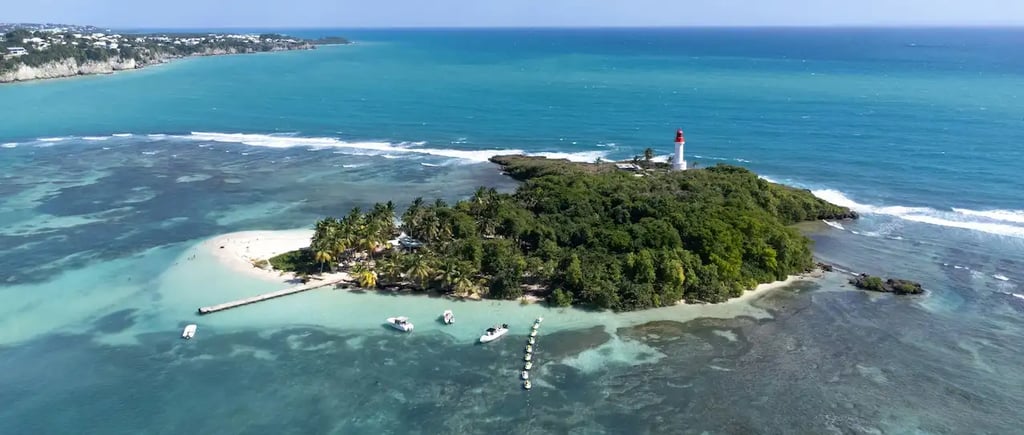
I've spent 7 incredible months in this beautiful place. I was living in the small town of Saint'Anne and every day I was wrapping up a morning video call, closing my laptop, and within fifteen minutes I was standing on a white-sand beach with turquoise water lapping at my feet. No, this isn't a fantasy, this is a Tuesday afternoon in Guadeloupe. And yes, the WiFi actually works.
Guadeloupe isn't on every digital nomad's radar yet, and that's part of its charm. While everyone's flooding into Lisbon and Bali, you could be setting up shop in a French Caribbean paradise that offers European infrastructure, authentic island vibes, and a reasonable cost of living for digital nomads. The rum is excellent, the hiking is world-class, and the Creole food will ruin you for bland lunches forever.
I spent seven months here a few winters ago, splitting my time between beachside work sessions, windsurf lessons and exploring volcanic trails. Let me show you how to make Guadeloupe your next unforgettable remote work destination.
Finding Your Island Base: Best Places to Stay in Guadeloupe for Nomads
Guadeloupe is shaped like a butterfly, two main islands connected by a bridge, which gives you flexibility depending on what kind of nomad experience you're craving. Quick overview: Saint'Anne has the most beautiful beach and relaxed vibe, Le Gosier is the party area full of night bars and night clubs, Saint François is a rich town full of sailers (best place if you are looking for a sugar daddy/mammy), Grande-Terre is the wild part of the island with uncontaminated forest, colourful birds and batterflies, huge iguanas and wild animals.
Saint-François (Grande-Terre): The Nomad Hub
This coastal town consistently tops the list for digital nomads in Guadeloupe. It strikes the perfect balance between laid-back Caribbean charm and practical amenities. This city is a safe place, full of welcoming locals, and laid-back vibe. You will find a reliable internet speed, a growing expat community, and great cafés around the marina for laptop work. Here you will always have a quick access to stunning beaches for sunset decompression.
Deshaies (Basse-Terre): For Nature & Focus
If you're drawn to quieter, more scenic spots, this beautiful fishing village is where nature lovers and writers gravitate. This part of the island, Basse-Terre, is wilder and more natural. It has a relaxed pace, postcard-pretty spots, and close to beautiful botanical gardens. It's further from major coworking spaces and urban conveniences, ideal if your remote work requires solitude and if you want to nature immersion.
Pointe-à-Pitre & Baie-Mahault: Urban Infrastructure & Connectivity
These are the main cities and here you will find the most developed infrastructure for remote workers needing reliability: highest concentration of coworking spaces in Guadeloupe and proximity to banks and services. Here, you will experience a more authentic local life, but less immediate beach access (though beaches are just a short drive away).
Accommodation Tip: Dedicated coliving spaces are rare. For your 2-3 month stay, look for apartments or villas on platforms like Leboncoin, SeLoger, and PAP. Consider splitting costs with other remote workers.
The Work Setup: Internet Speed & Coworking Guadeloupe
Guadeloupe offers solid work facilities, blending focused workspaces with a relaxed café culture.
Coworking & Workspaces
While not as numerous as in established hubs, the existing coworking spaces are reliable and cater to nomad needs. You will have stable fiber internet, quiet zones, and crucial community events. Expect to pay around €150–€250 monthly for flexible access.
ZEBOX Caribbean is the coolest coworking space in the island. The creative vibe matches the urban decoration, human warmth, well-being, conviviality and kindness between coworkers.
Le HUB innovation technologique Guadeloupetech is the main space for startups in La Guadeloupe. Here, is where the ecosystem works, collaborate and grows together. Great vibe.
Iresa Training & Coworking is a great space where to network and meet new people. The staff organizes events and talks every month.
Café Work Culture & Connectivity
The French-influenced café scene is where most remote workers spend their mornings. Remember to order food or drinks regularly (every couple of hours), be mindful during lunch rushes, and tip 5–10% for good service. General WiFi reliability is strong in developed areas, but always confirm WiFi speeds before sitting and always have a back up option like a good data package that will allow you to hotspot for hours (especially in case of storm or heavy rain).
Les Givres is a popular café located near the most beautiful beach of the whole island: Sant'Anne beach. It's known for accommodating laptop warriors and for it's delicious artisanal ice creams, acai bowls, and smoothies, made with local ingredients. This area is not the most reliable for WiFi, so I would recommend having a good data plan to hotspot.
Café Corail is a great spot in an amazing location: just in front of the marina of Saint-François. Very close to the beach and the best place to meet travelers, digital nomads living on boats, ocean hinch hikers and sailers arriving from their atlantic cross adventure.
Le Café Papier has a city vibe and it's located in Baie-Mahault. Here, everything is nice, from the interior design to the service. Excellent atmosphere, food and drinks.
Kreol Bar is a small family runned business that serves fresh creole food and delicious smoothies the whole day. The place is lively and colourful with a relaxed atmosphere and friendly staff. Make sure you have a good data package to hotspot in case of WiFi failure.
SIM Cards & Backup Data
The carriers in La Guadeloupe are the usual French ones: Orange, SFR, and Digicel offer solid prepaid SIM cards. The cost is between €15–€30 monthly for generous data plans suitable for video calls and hotspot usage. The coverage is a strong 4G across Grande-Terre and Basse-Terre. Always remember to bring your passport for purchase.
Orange Caraïbe is often the carrier travelers trust most when they land in Guadeloupe, and honestly, it’s easy to see why. The company has a solid presence across the French Caribbean and offers stable coverage in most populated areas. If you’re working from cafés, Airbnbs, hotels, or just exploring the island with your phone in hand, Orange usually performs consistently. Orange lets you activate a local data plan directly from your phone: you can pick from several 30-day packages ranging from 5 GB all the way to 50 GB.
If you're staying longer or you’re a heavy data user, Orange also offers standard plans through Orange Caraïbe. These tend to be a bit pricier than Digicel or promotional SFR offers, but they deliver reliability, which is often worth the extra euros when you’re on a work deadline.Best for: nomads who want a no-surprises, stable connection and prefer the convenience of eSIM options.
SFR Caraïbe: If your daily workflow involves Zoom marathons, cloud uploads, content creation, or heavy tethering, SFR might be your happy place. Their mobile plans in the Caribbean include very large data packages, sometimes up to 200 GB or even 300 GB per month.
This obviously makes SFR incredibly attractive for nomads who don’t want to constantly monitor their usage or run out of data halfway through a client meeting. Many remote workers pick SFR for this reason alone: you simply get more gigabytes for your money.
Coverage in Guadeloupe is generally good, though not always as consistent as Orange in certain rural or coastal pockets. Before committing to a longer plan, it’s a good idea to ask your host, neighbors, or other nomads which carrier works best in your specific area because coverage can vary by neighborhood.
Best for: people who need a lot of data every month and don’t want to worry about it running out.Digicel is the most “traveler-oriented” of the three carriers, even though its presence in Guadeloupe isn’t as visible as in other Caribbean nations. What you’ll find here are plenty of easy, flexible eSIM plans sold through Digicel partners. These usually run on Digicel’s 4G network and are perfect for stays ranging from a few days to one month.
Typical plans include 1 GB, 3 GB, 10 GB, or 20 GB, all valid for 7 to 30 days. They activate instantly, and because they’re prepaid data-only packages, you don’t need to worry about contracts or local addresses.
Best for: travelers staying a few days to a month, or anyone who wants a simple, prepaid eSIM with no long-term commitment.
So, which one should you choose?
If you want the most reliable network with easy eSIM bundles: choose Orange Caraïbe.
If you need huge monthly data for hotspotting or calls: go with SFR Caraïbe.
If you’re just visiting and want a simple, no-contract eSIM: Digicel is perfect.
Getting Legal: The Guadeloupe Digital Nomad Visa Situation
Since Guadeloupe is an Overseas Department of France (DOM), it follows French and Schengen Area rules.
If you are from EU, EEA, Switzerland, there is no Visa requirement: you can freely stay and work remotely. If you are from US, Canada, UK, Australia, etc. you'll have a 90 days visa-free within any 180-day period (Schengen Rule).
Important Remote Work Note: Working remotely for non-French clients on a tourist visa falls into a legal gray area, common across the Schengen area. Enforcement for short-term digital nomads is minimal. If you plan to stay beyond 90 days or want full compliance, you must apply for a French long-stay visitor visa before arrival.
Cost of Living & Practical Logistics
Guadeloupe is European (Dom Tom) and the currency used it the Euro. Credit cards (Visa/Mastercard) are widely accepted. Use bank-operated ATMs for the best exchange rates.
The Healthcare system follows the French model, however you will see a huge difference of quality between the private and the public healthcare, when living there I had to face different emercencies and I've experienced both public and private hospitals and I would only recommend the private ones. This is why I consider having a comprehensive travel health insurance a must in every travel.
What to Do in Guadeloupe: When Work is Done
This is where Guadeloupe separates itself from generic beach destinations. The island offers a depth and variety of adventure, culture, and relaxation that will keep your 3-month stay genuinely interesting. Enriches the Nomad Lifestyle
The island naturally pulls you outdoors, making it easy to maintain a healthy digital nomad lifestyle.
Basse-Terre: Adventure & Nature
Basse-Terre is the wild, mountainous half of the island and the hub for all things outdoor:
Volcano Hiking: La Soufrière volcano is the Guadeloupe's crown jewel. This active volcano offers a challenging hike through changing ecosystems before emerging at a sulfurous, lunar-like summit. Don't forget your swimwear for the thermal springs (Bains Jaunes) near the base!
Waterfalls Swim: Chutes du Carbet waterfalls are located deep in the lush Guadeloupe National Park, these are a series of three spectacular cascades. The second fall is easily accessible, while the first requires a longer, more challenging trek.
Diving in the Ocean: The Cousteau Reserve is a protected marine area around the Pigeon Islands and it's bucket-list worthy. Try it out for exceptional snorkeling and scuba diving among vibrant coral reefs, sea turtles, and rich marine life.
Mangroves Exploration: Take a guided kayaking or paddleboarding tour through the Grand Cul-de-Sac Marin lagoon. It's a peaceful way to connect with the island’s unique coastal ecosystem.
Grande-Terre: Beaches, Views & Relaxation
Grande-Terre is the flatter, dryer half known for its dazzling white and golden-sand beaches:
Pointe des Châteaux: is easternmost tip of Grande-Terre for dramatic, craggy rock formations and stunning panoramic ocean views. It’s the perfect sunrise spot and offers a spectacular contrast to the calm Caribbean coast.
Sainte-Anne Beach: is known for its powdery white sand and turquoise, calm waters, this is the quintessential Caribbean beach. It's lively, perfect for swimming, and flanked by local vendors selling food and fresh juice.
Plage des Salines or Raisins Clairs: is located near Saint-François, these beaches offer calmer swimming conditions and a classic tropical vibe, perfect for post-work decompression.
Culture & History
Guadeloupe is a special place with a breathtaking nature, but not only: this place has a recent dramatic history that is important to discover:
Memorial ACTe: is a world-class, critically acclaimed museum in Pointe-à-Pitre, dedicated to the history of the slave trade and Caribbean culture
Rum Distillery Tours: Guadeloupe is famous for its rhum agricole, made from fresh sugarcane juice rather than molasses. Tour a working distillery like Damoiseau or one on Marie-Galante for an educational and tasty experience.
Pointe-à-Pitre Market: Dive into the heart of local life. This vibrant, bustling market is the best place to find spices, fresh tropical fruits, unique produce, and local crafts.
Island Hopping for Weekend Escapes
Guadeloupe is an archipelago of six main inhabited islands: Basse-Terre, Grande-Terre, Marie-Galante, La Désirade, Les Saintes (Terre-de-Haut), and Terre-de-Bas. One of the most common activities that I would recommend, is an island hopping tour. I would also recommend to rent a boad (you can rent it with the skipper that will take you around wherever you'll want to go).
While in the area you can also go to Dominica and to Martinique with a short flights or by ferries for a different French Caribbean experience.
What to Eat and Drink in La Guadeloupe: Must-Try Creole Cuisine & Drinks
The cuisine of Guadeloupe is a delicious fusion of French metropolitan technique and spicy, rich African and Indian influences brought to this area of the world because of the slave trade. If you like spices, eating well is easy and a guaranteed path to cultural immersion.
What to Eat in Guadeloupe: Signature Creole Dishes You Must Try
The Creole cooking style is characterized by the generous use of local spices, fresh seafood, and tropical products. You will quickly find your favorites, often served at casual eateries known as lolos.
Colombo: This is Guadeloupe’s signature dish, a fragrant, medium-spicy curry stew (usually chicken, goat, or fish). It's made with a special Caribbean spice blend that includes turmeric, cumin, and coriander, and is typically served with rice and root vegetables like yam or plantain.
Accras de Morue: Irresistible, crispy salt cod fritters, seasoned with scallions and local chili peppers. These are the perfect snack or appetizer (apéritif) and pair dangerously well with a rum punch. You can also find vegetable-based accras.
Bokit: The quintessential Guadeloupean street food. It's a round, deep-fried bread pocket (like a puffy pita) stuffed with various fillings such as ham and cheese, shredded salt cod (chiquetaille de morue), or chicken. It's cheap, filling, and perfect for a quick, hearty lunch on the go.
Crabes Farcis (Stuffed Crab): A delicacy where the meat of land crabs is extracted, cooked with a flavorful mix of spices, herbs, and breadcrumbs, and then baked back into the shell. Look for this in seafood restaurants, especially around Easter season.
Boudin Créole: A type of spiced sausage, often found in two varieties: boudin noir (blood sausage) and the less challenging boudin blanc (white sausage, often with fish or pork). Try it as an appetizer in traditional restaurants.
Seafood Excellence: Given the location, fresh grilled fish (vivaneau or snapper) and lobster (langouste) are staples. Look for roadside lolo grills near fishing ports for the freshest catch, often served with a savory Creole sauce.
Tourment d’Amour: The famous dessert from the nearby Les Saintes archipelago, but beloved everywhere. It's a small, round tart with a soft cake base and a filling of coconut or tropical jam (guava or banana).
What to Drink in La Guadeloupe: Island Thirst Quenchers
For centuries, Guadeloupe was a sugarcane monoculture, this is why the rum from the island is king in every bar and it perfectly complement the rich cuisine.
Ti' Punch (Ti' Ponc): Is the island signature drink: an institution. It's made with Rhum Agricole (white rum distilled directly from fresh sugarcane juice), a slice of lime, and cane sugar syrup.
Rhum Agricole: Be sure to visit a local distillery (like Damoiseau or Bologne) to appreciate this uniquely French Caribbean spirit. Sample the Rhum Vieux (aged rum) for a complex, sipping experience.
Planteur Punch: A popular, sweeter alternative to Ti' Punch, that mixes dark rum with a blend of local fruit juices (often guava, pineapple, and mango), giving it a tropical sweetness perfect for a sunset aperitif.
Fresh Fruit Juices & Sorbet Coco: To stay hydrated and healthy between work sessions, take advantage of the abundance of fresh juices made from local fruits like passionfruit, guava, soursop, and carambola. Also, seek out street vendors selling creamy, hand-cranked Sorbet Coco (coconut ice cream) for a refreshing, cooling treat.
The Cultural Code: Fitting Into French Caribbean Life
To transform your experience from a tourist stay to temporary living, embrace the local customs:
The Greeting: "Bonjour" is mandatory. Use it when entering any shop, café, or professional setting.
Language: While English is spoken in tourist areas, Guadeloupe is French-speaking. Learning basic phrases like "S'il vous plaît" and "Merci" to shows respect.
Island Time: Timing in this area can be really slow and sometimes people can be annoyed. Don't fight it, embrace the slower pace. Shops often close midday for siesta, and many services are limited on Sundays. Plan ahead and be patient.
Dress: Keep beach outfits on the beach, dress casually but neatly for towns and restaurants.
Making It Work: The Guadeloupe Advantage
Guadeloupe requires more planning than established nomad destinations, but the reward is immense. You get the stability of European infrastructure combined with the unparalleled richness of Caribbean culture.
Your three months here will balance productive work with daily adventures, whether it's café work in Saint-François, a volcano hike, or sunset rum tasting. Guadeloupe is large enough to constantly surprise you, yet small enough to feel like home.
Pack your laptop, download a French language app, and get ready to trade the cubicle for a Creole kitchen and a Caribbean beach. Bon voyage to your Guadeloupe chapter!